
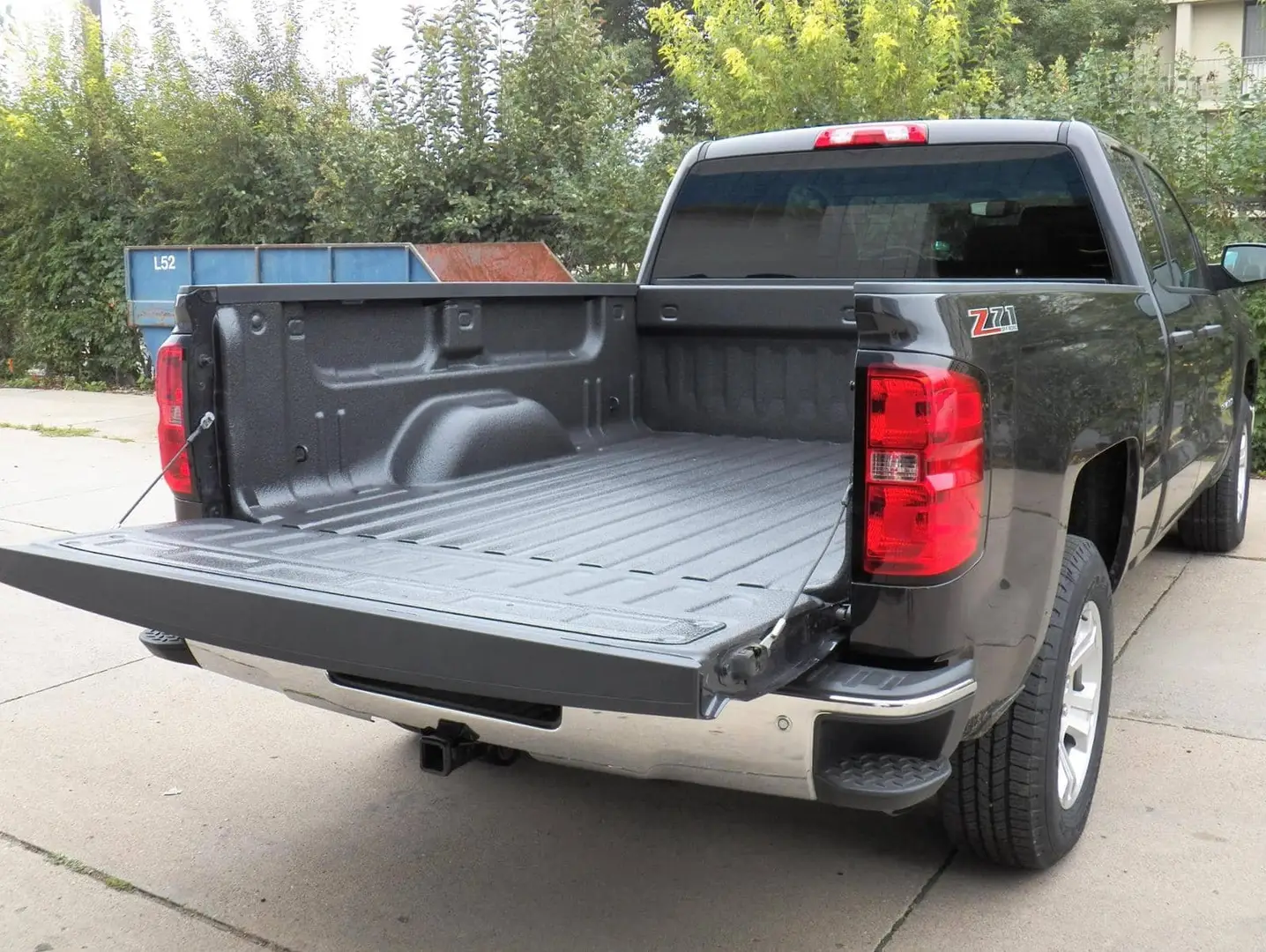
Florida’s unique climate creates conditions that test the durability of every vehicle. Between the coastal humidity, intense UV exposure, and daily wear from hauling equipment or supplies, truck beds face more than just cosmetic damage. Surface degradation begins where scratches expose metal to moisture, and over time, even a small nick becomes a point of failure. As more drivers turn to protective coatings, the demand for materials that don’t just look good but actually defend the truck has grown. That need has driven innovation in spray-applied systems that offer long-term durability, chemical resistance, and structural protection.
Why Traditional Coatings Fall Short in Florida’s Climate
The heat and humidity in Florida accelerate wear on exposed surfaces. Road salt isn’t a concern the way it is up north, but the combination of sand, salt-laden air, and rain corrodes untreated or poorly coated surfaces quickly. Bedliners made from rubber, paint, or drop-in plastics often break down or warp under these conditions. They crack under thermal expansion, trap water beneath them, or peel at the edges. Once compromised, these coatings become worse than none at all—they hold moisture against the metal and increase the risk of rust.
What’s needed isn’t just another surface treatment. It’s a bonded layer that fuses with the truck bed, one that doesn’t trap water or lift at the corners. For that, polyurea-based coatings have emerged as the clear solution. These materials form a dense membrane that adheres to the substrate, curing in seconds and resisting everything from UV exposure to gasoline spills.
Understanding the Role of Polyurea in Bedliner Protection
Polyurea, originally developed for use in demanding industrial environments, has found a home in automotive applications for good reason. Its chemical structure allows it to flex without cracking, absorb impact without wearing through, and seal surfaces without bubbling. When applied properly, it becomes part of the truck bed rather than sitting on top of it. This creates a bond that stays in place even when the bed sees heavy loads or vibration.
For those researching options, polyurea bedliner technologies stand out for their ability to outperform other coating systems in both lab tests and field use. In coastal Florida, where vehicles must handle both work duties and unpredictable weather, polyurea’s resistance to salt, heat, and abrasion makes it an ideal material. Unlike epoxy, which becomes brittle over time, or rubber coatings that stretch and tear, polyurea maintains its structure.
Preparation and Application as Critical Success Factors
A protective coating is only as good as the preparation beneath it. For a polyurea bedliner to perform, the surface must be clean, dry, and properly profiled. Any existing rust, debris, or oil residue must be removed. This doesn’t just ensure better adhesion—it prevents failure points from developing after application. In Florida’s humid conditions, attention to prep work becomes even more important. Surface moisture must be controlled, and spray equipment must be calibrated to handle both temperature and humidity shifts throughout the day.
Well-trained applicators understand how to maintain consistency during the process. A uniform spray pattern, correct thickness, and even cure time all contribute to the quality of the final result. These are not just technique-based decisions. They reflect a knowledge of how polyurea behaves and how truck bed structures respond to both weight and movement.
For drivers looking to invest in real protection, a spray on bedliner offers more than just a visual upgrade. It adds functional value that persists over time—something Florida’s climate doesn’t always allow with lesser materials.
A Shift Toward Long-Term Protection and Value
Truck owners in Florida don’t just use their vehicles—they rely on them. Whether the truck serves as a daily driver, a work vehicle, or a weekend hauler, the bed sees frequent use. Every dent, drop, or load adds stress to the surface. Over time, those stresses wear away coatings that aren’t designed to absorb impact or flex with movement.
Polyurea changes the way drivers think about durability. It’s not just about preventing scratches—it’s about extending the life of the truck. It deflects gravel, resists fading, and shrugs off fuel spills without softening. That kind of performance doesn’t require constant reapplication or seasonal checks. When done correctly, it stays in place for the life of the vehicle.
This reliability, combined with its clean finish and ability to match custom builds, has made polyurea the go-to solution for bedliner protection across Florida. As awareness spreads, more vehicle owners have started to recognize that polyurea is the best choice for bedliners not because it looks better, but because it performs better under pressure.
Conclusion: What the Right Coating Can Do for a Truck
In a market full of options, it’s easy to choose coatings based on appearance or price. But truck beds don’t fail from looking bad—they fail from rust, from impact, from fatigue. That’s why polyurea has reshaped expectations for what a protective liner should do.
In Florida, where climate and use converge to create harsh conditions, choosing a bedliner isn’t just about protection—it’s about prevention. It’s about trusting that the surface under your cargo will hold, whether you’re driving through sand, rain, or heat.
And when that trust is built into the coating itself, it becomes more than a product—it becomes part of the truck’s structure, working every mile to keep the bed strong.
